Helping Flowers Stay Beautiful for Longer at Home
Autumn and winter are wonderful seasons for many herbaceous flowers. Cooler temperatures slow their development, often intensify their colors, and help many varieties last longer when handled correctly.
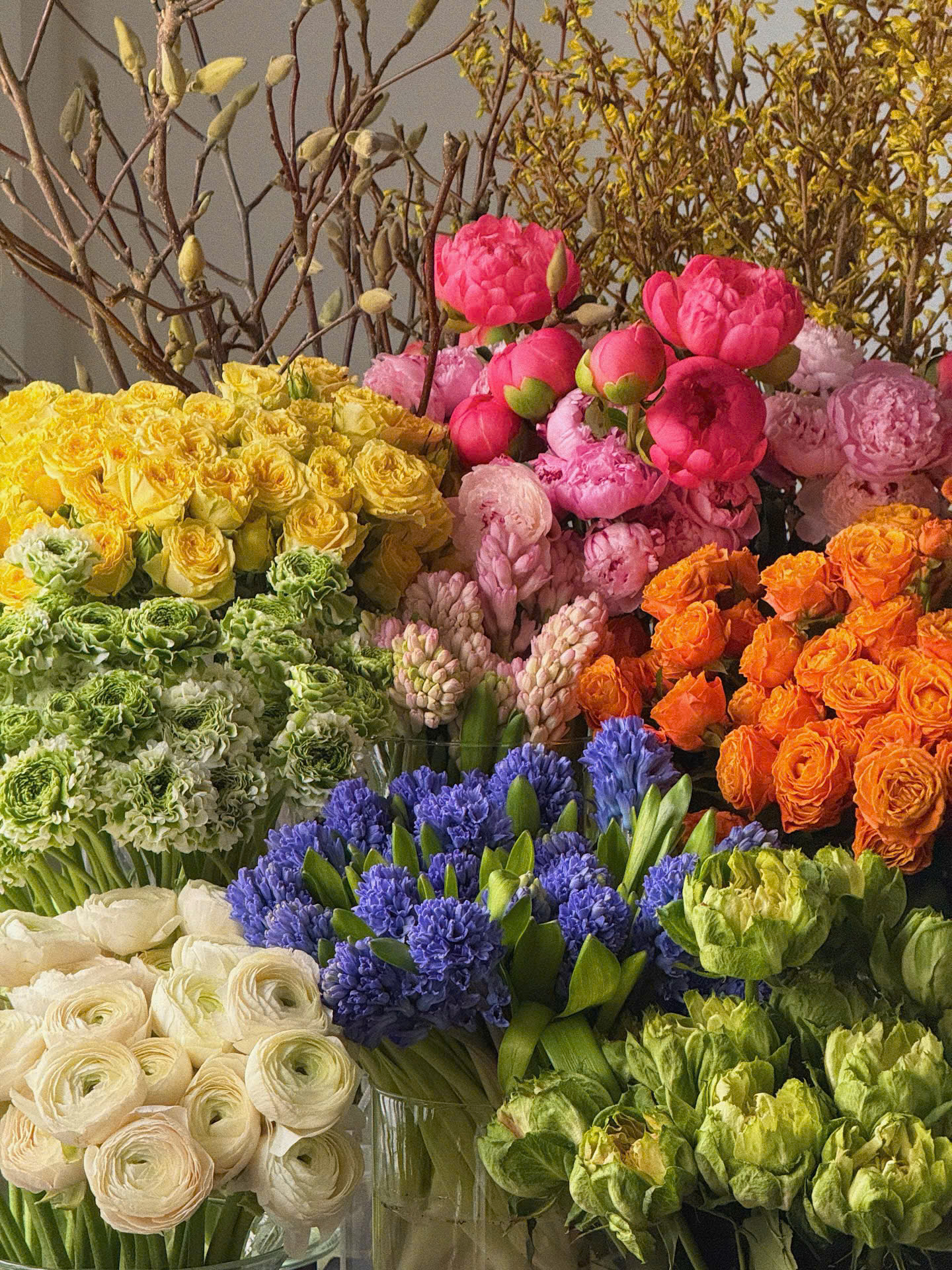
Some familiar flowers of this season include ranunculus, tulips, anemones, delphiniums, carnations and chrysanthemums.
Most have soft or herbaceous stems, so paying attention to the stem ends and water supply as soon as the flowers arrive is especially important.
Recut the Stems
When your flowers arrive, trim their stems with sharp scissors or a knife.
Remove just enough to cut away any dried or damaged ends caused by transportation. Handle soft-stemmed flowers such as ranunculus and anemones gently to avoid bruising the stems.
Remove any leaves that would sit below the waterline. Submerged foliage decomposes easily, clouding the water and shortening vase life.
Always Use Clean Water
Clean water is essential for cut flowers.
Wash the vase before arranging and refresh the water regularly. Whenever changing the water, gently rinse the stem ends and inside of the vase to remove sediment or any slippery film.
There is no need to fill the vase to the brim. The right water level varies by flower; always keep foliage above the waterline.
Keep Flowers Somewhere Cool
Autumn and winter herbaceous flowers generally prefer cool, stable conditions.
Place them somewhere well ventilated, away from direct sunlight, heat sources and areas with frequent temperature fluctuations.
In particular, avoid positioning flowers near stoves, heaters or streams of hot air.
Some Flowers Need Individual Care
Ranunculus has delicate stems and is often harvested in bud. In the right conditions, its blooms will continue to open gradually.
Tulips can continue growing and lengthening even after being cut. Stems bending or blooms changing their posture over time are a natural part of a tulip's life cycle.
Anemones often have thin petals that are sensitive to high temperatures. Keeping them cool helps preserve their freshness and shape.
Delphiniums carry numerous small flowers on a single stem. As the lower florets open first, those higher up may continue developing in the vase.
Carnations and chrysanthemums generally last longer, but still need clean water and good airflow to look their best.
Don't Give Up on a Flower That Is Changing
Cut flowers are not necessarily at their most beautiful when they first arrive.
Some will continue opening; others change shape, color or stem curvature over time. These transformations are part of the natural flowering process.
Observe your flowers each day, change the water when needed and give them a cool environment in which to develop at their own pace.
Flower care is not only about making blooms last longer; it is also about giving them the conditions to flower at their very best.
LNT | From remarkable places, to beautiful spaces.
Related articles
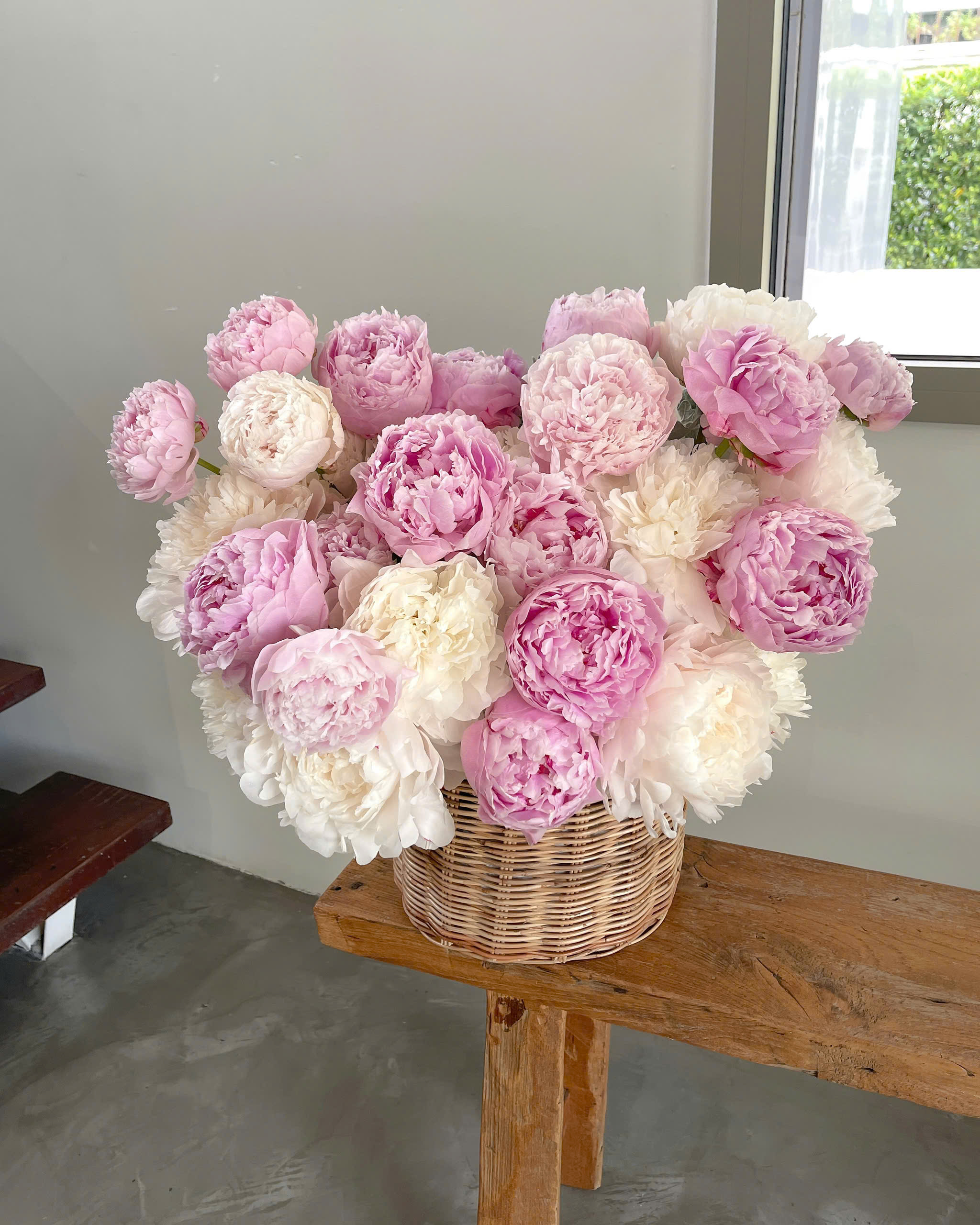
CARING FOR PEONIES
Peony season begins in New Zealand, whose Southern Hemisphere growing cycle is the reverse of the No...
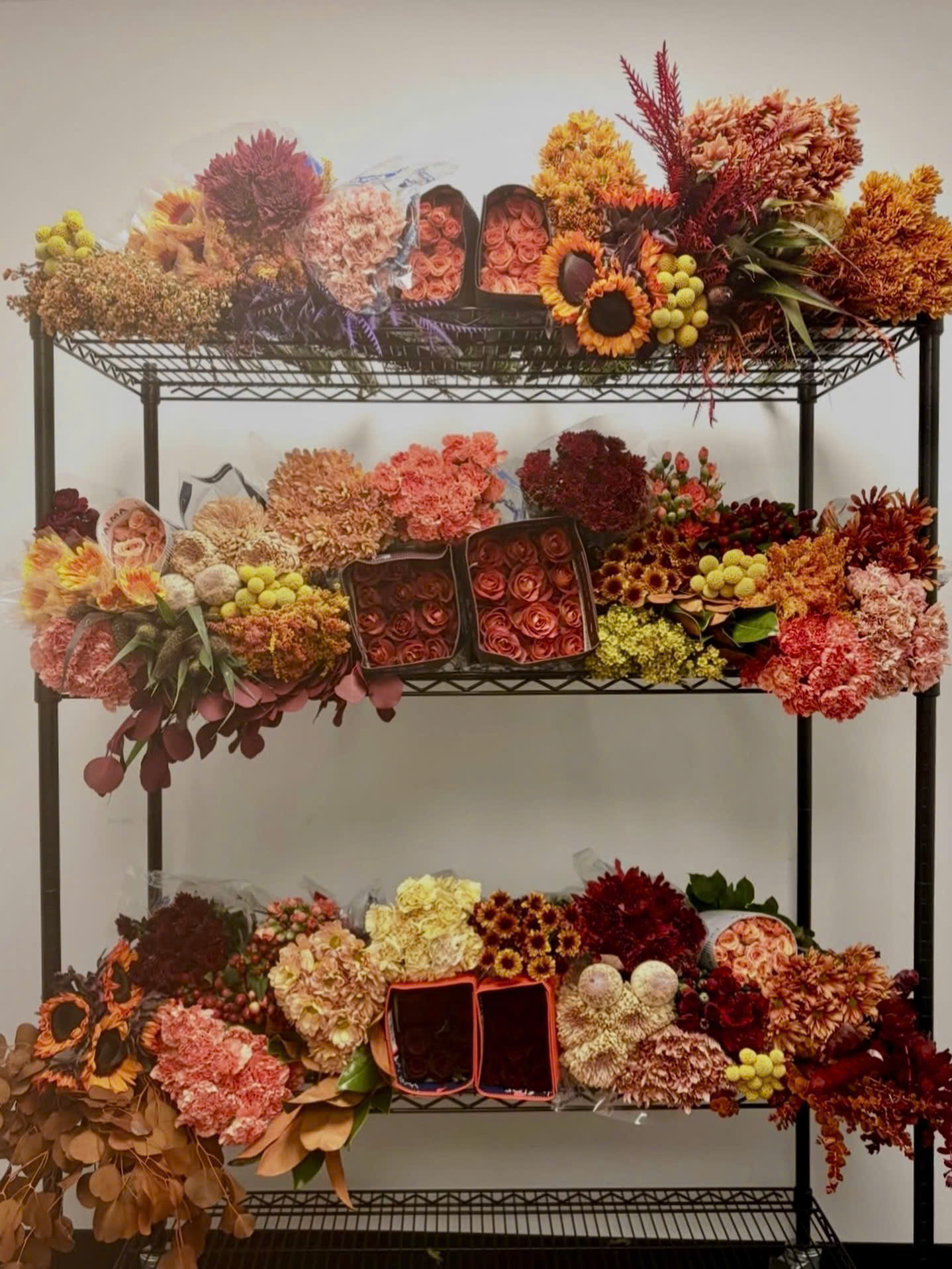
Autumn Spice - Colors of Autumn
A palette inspired by late autumn, as nature shifts through burnt orange, honey gold, burgundy, warm...
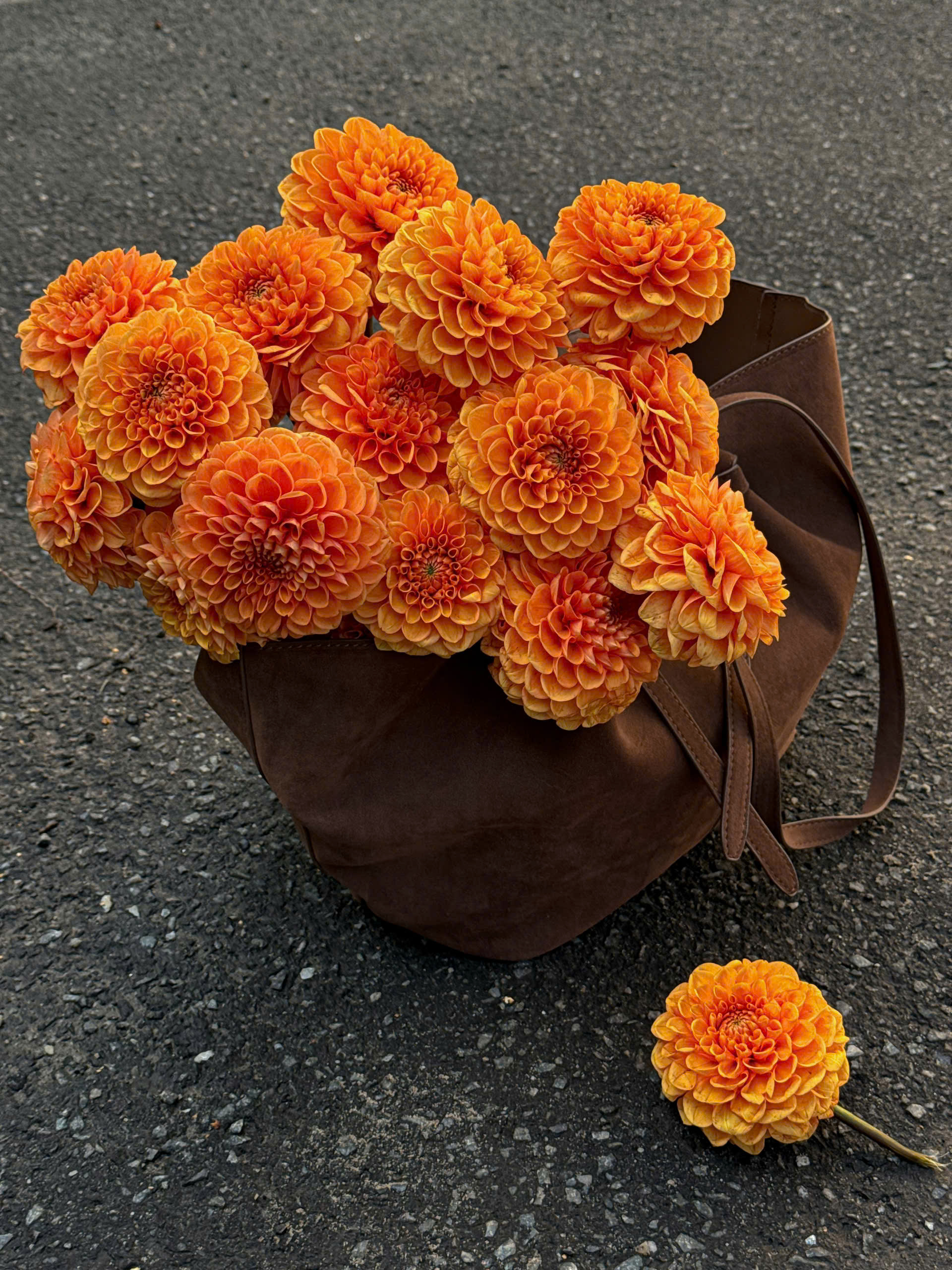
DAHLIAS
Dahlias are quintessential autumn flowers. As summer draws to a close, they enter their most beautif...